Korean Retinol for Beginners: What to Buy in Seoul and How to Start
Published 24 October 2026 · Seoul Price Check
Retinol is the anti-ageing ingredient with the most evidence behind it that you can buy without a prescription. It’s also the one most likely to leave your skin red and flaky if you rush it. Korean brands have made it easier to start: there are now gentle, clearly labelled retinol products at Olive Young for well under the price of Western equivalents.
This guide covers what retinol does, how to read the strength on a Korean label, which products to look at, and how to start.
What retinol actually does
Retinol is a form of vitamin A. Your skin converts it, in two steps, into retinoic acid, the form that does the work. Over months, it speeds up cell turnover and supports collagen. In practice, that means:
- smoother texture and softer fine lines
- fewer clogged pores and blackheads
- a gradual improvement in uneven tone
The key word is months. Most people see texture changes in 4 to 8 weeks and line changes after 3 to 6 months.
The first few weeks often bring dryness, flaking, tightness or redness, sometimes called “retinization”. That’s why the starting routine matters as much as the product.
Retinol, retinal and the rest
You’ll see several vitamin A forms on Korean labels:
- Retinol (레티놀): the classic. Two conversion steps from the active form.
- Retinal or retinaldehyde (레틴알): one step away, so it works faster at the same strength.
- Retinyl palmitate: a very gentle ester. Weak, but well tolerated.
- Bakuchiol (바쿠치올): a plant ingredient often called a “plant retinol”. It isn’t vitamin A, and the evidence is much thinner, but it’s gentle and often paired with retinol.
How to read the strength
Many Korean retinol products print the amount next to the ingredient, such as “레티놀(0.1%)”. As a rough guide:
- 0.01% to 0.03%: very gentle starter level
- 0.1%: a sensible first “real” strength
- 0.3%: moderate, for people who tolerate retinol well
- 0.5% to 1%: strong; not for beginners
Some products state retinol in IU (international units) instead. That’s harder to compare, so a product with a percentage is easier to judge.
What to look at in Seoul
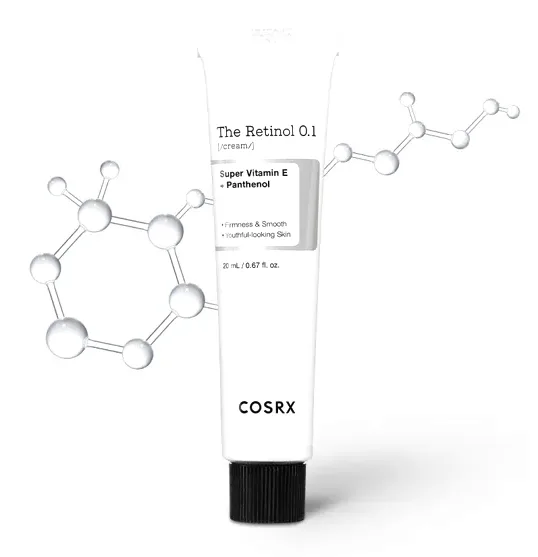
COSRX The Retinol 0.1 Cream is the easiest place to start. The Korean label states 0.1% retinol in a moisturising cream base with caprylic/capric triglyceride, shea butter, plant oils, panthenol and trehalose. It’s fragrance-free and comes in a 20ml tube, which is the right size for a product best used fresh. Seoul works out around half the Amazon price per ml.
Some By Mi Retinol Intense Reactivating Serum also has 0.1% retinol, plus a small amount of retinal and bakuchiol, with niacinamide, panthenol and ceramide NP. It’s a good pick if you prefer serums. It does contain fragrance and a long list of plant extracts, so sensitive skin should start with COSRX.
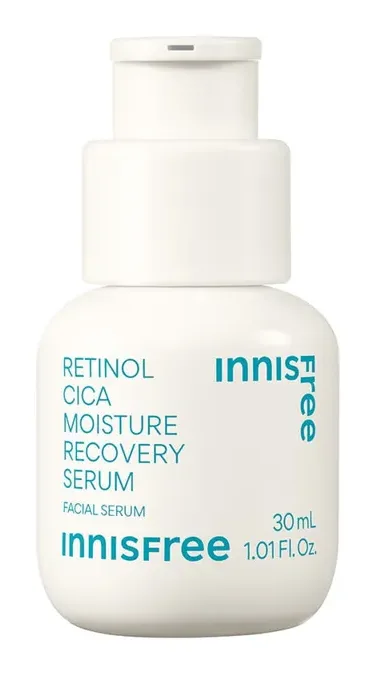
Innisfree Retinol Cica Repair Ampoule is designed as a gentler, centella-heavy option for people who find retinol hard to tolerate.
You’ll also see budget retinol products at Daiso for ₩5,000. Some are well reviewed, but if a product doesn’t state its strength clearly, you won’t know what you’re starting with. Our Daiso guide covers this.
How to start
- Night only. Retinol breaks down in sunlight, and it makes skin more sun-sensitive.
- Two or three nights a week for the first two to three weeks. Then every other night. Then nightly, if your skin is comfortable.
- Apply to dry skin. Wait a few minutes after cleansing. Damp skin absorbs more and can sting more.
- Use a pea-sized amount for the whole face. Avoid the eyelids, the corners of the nose and the corners of the mouth, where skin is thinner.
- Moisturise. Apply a moisturiser after, or use the “sandwich” method: moisturiser, then retinol, then moisturiser.
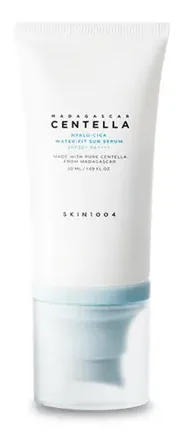
- Sunscreen every morning. This isn’t optional. A light Korean sunscreen like SKIN1004 Hyalu-Cica Water-Fit Sun Serum makes it easy.
What not to combine at first
On retinol nights, skip:
- exfoliating acid toners and pads (AHA, BHA, PHA)
- scrubs and peeling gels
- other retinoid products
Once your skin is used to retinol, many people alternate: acids one night, retinol the next. Niacinamide, hyaluronic acid, centella and ceramides all pair well with retinol, even from the start.
If your skin gets irritated
Some dryness and light flaking is normal. Stinging, burning, or redness that doesn’t settle are signs to slow down.
- Take a few nights off.
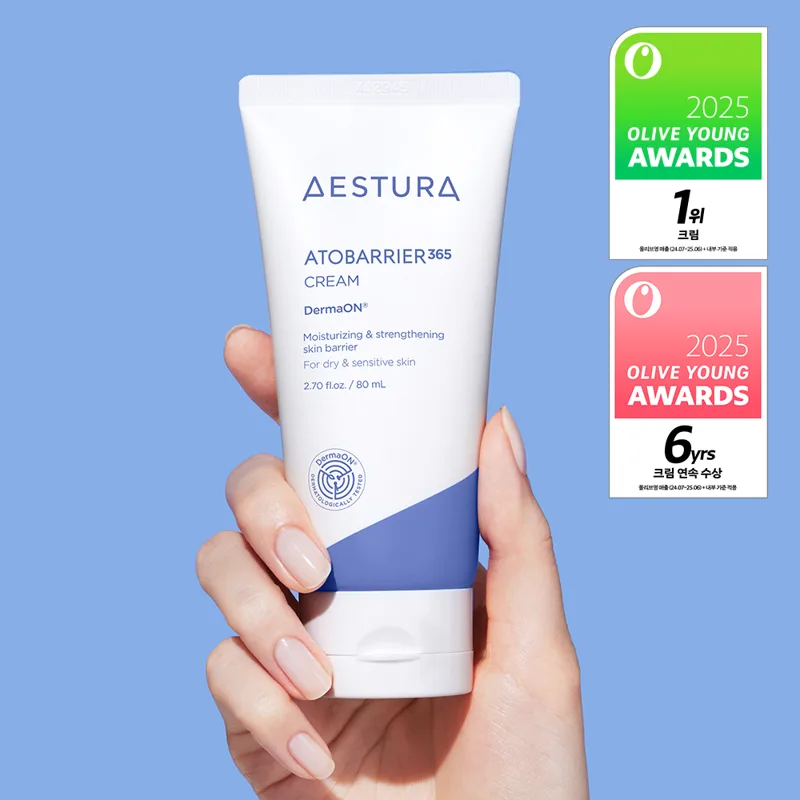
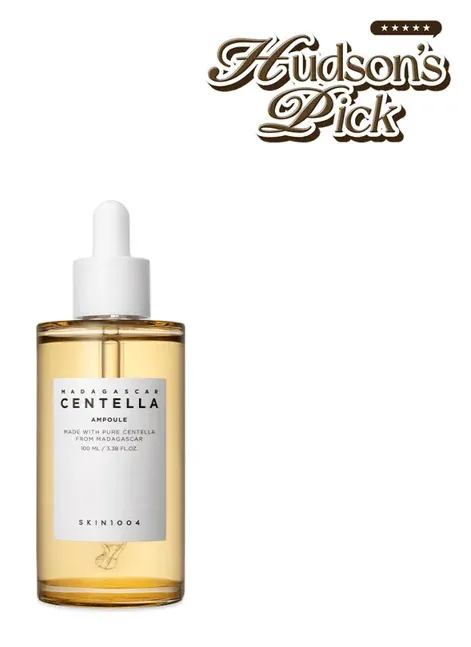
- Go back to a simple routine: gentle cleanser, a calming serum like SKIN1004 Centella Ampoule and a barrier cream such as Aestura Atobarrier 365.
- Restart at a lower frequency, or buffer the retinol with moisturiser.
Who shouldn’t use retinol
- Pregnancy and breastfeeding: retinoids are generally avoided. Ask your doctor.
- Active eczema, rosacea flares or broken skin: wait, or get advice from a dermatologist.
- Before waxing or strong peels: stop retinol several days before.
- If you already use a prescription retinoid (tretinoin, adapalene): don’t add an over-the-counter retinol on top without advice.
Buying tips
Retinol is sensitive to air and light, so smaller sizes in tubes or opaque bottles are a good sign. Check the expiry date on the box, and aim to use a product within a few months of opening. Small retinol tubes also fit easily in carry-on liquids.